Changeover Switch Installation in Nepal: Grid, Gen & Cost
Changeover switch installation in Nepal for NEA supply, generator and solar changeover. SDR fits safe interlocked transfers in Kathmandu: 9801508528.
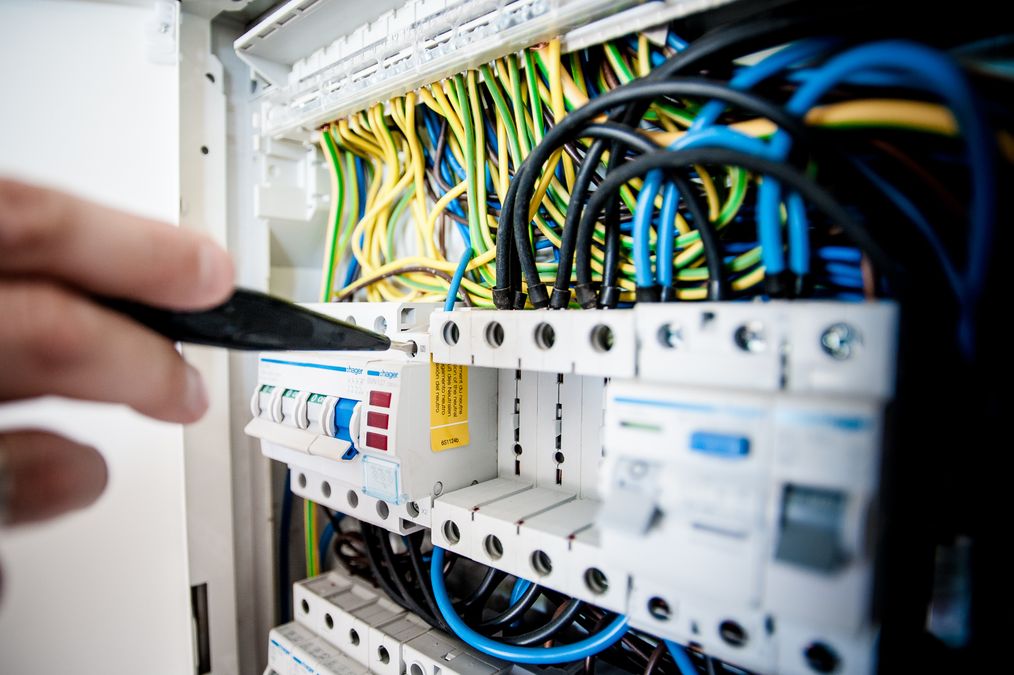
What a changeover switch actually does
A changeover switch moves a building’s load between sources — usually NEA grid and a generator, sometimes grid, gen and inverter — through one interlocked device so two sources can never feed the board together. Without that interlock, a generator left connected while NEA restores supply backfeeds the street and endangers linemen.
Changeover installation in Nepal is common in homes, shops, clinics and small hotels that run a set through load-shedding hours. SDR installs manual rotary and toggle changeovers, breaker-interlocked arrangements and ATS units across Kathmandu — sized to real load, labelled clearly, and tested in both positions before handover.
- Transfer load between grid, generator and sometimes inverter
- Mechanical or electrical interlock prevents dual-source faults
- Manual, motorised or ATS depending on who operates it
- Rated for full building load, not just the generator output
Manual changeover vs ATS vs breaker interlock
A manual changeover is a rotary or toggle device someone turns when power fails and again when it returns — affordable, robust, ideal when a responsible person is always on site. An ATS senses mains failure, starts the set if integrated, transfers the load and reverses when the grid stabilises — right for clinics, servers, hotels and travellers. Between them sits the breaker interlock kit: two breakers with a mechanical slide making dual closure impossible — compact and often the best retrofit.
Ratings must match the main load path; a 63A changeover on a 100A main heats under full-house demand. Neutral switching differs between three-phase, single-phase and inverter brands — get it wrong and you float the neutral or break the inverter’s earth reference. SDR confirms source type, phases and neutral handling before any device is ordered.
- Manual rotary/toggle: lowest cost, human operated
- ATS: automatic, higher cost, ideal for unattended loads
- Breaker interlock: compact retrofit using existing board ways
- Device amperage ≥ main load path rating
Planning the installation: load, position and cable
Start with a written load list: running watts of everything that must survive on generator power, plus starting surges for pumps. That number decides device size, cable cross-section and whether the job is one phase or three. Place the changeover where both sources reach it without awkward runs — typically on the main board wall — with one metre clear access and readable ON GRID / ON GEN labels.
Generator feeder cable must handle full load with margin; undersized feeder is the silent heater in many DIY setups. Keep fuel and exhaust clear of the electrical zone and gland outdoor entries. If the main board is already crowded, fit the changeover as part of a proper board rebuild rather than the last spare way — decided with a load study under /services/panel-upgrades so meter-to-MCB stays coordinated.
- Written load list before selecting amperage
- One metre clear access in front of the transfer device
- Cable sized for full load, copper in conduit
- Clear ON GRID / ON GEN / OFF positions labelled
Safety rules that cannot be skipped
Interlock first: grid and gen must be unable to close together. Earth and neutral bonding must be verified in both transfer positions — wrong neutral-earth bond can leave appliance bodies at hazard while the MCB stays happy. Never backfeed through a laundry-room extension cord; it remains the most dangerous shortcut we see in Kathmandu courtyards.
Prove dead on every source before terminating, then test transfer under partial and full load: voltage stability, phase rotation on three-phase, RCCB function after transfer, and behaviour when the grid returns. Label every conductor and update the circuit schedule with breaker ratings and source positions. Arcing or a main that will not reset during transfer work means stop and call the emergency line — fault response is at /services/emergency-repairs.
- Interlocked sources — never simultaneous closure
- Verify earth/neutral bonding in grid AND gen modes
- No loose plug or extension backfeed under any circumstances
- Test transfer under load before handing over
Changeover switch installation cost in Nepal (NPR)
Manual devices are inexpensive; installation labour, cable and board work drive the total. Indicative 2026 Kathmandu ranges below cover typical residential and small-commercial jobs with SDR — device cost varies with brand and amperage, and three-phase or ATS jobs sit at the higher end.
- Manual changeover switch material: NPR 3,000–12,000
- Breaker interlock kit + two breakers: NPR 6,000–20,000
- Installation labour (single-phase manual): NPR 5,000–15,000
- ATS unit (single-phase) supplied and fitted: NPR 25,000–70,000
- Three-phase or board rebuild integration: quote after survey
Book changeover installation with SDR
SDR handles changeover installation from single-phase shop sets to three-phase hotel transfer panels — load sizing, device selection, cable, interlocks, earthing checks and labelled handover across Kathmandu Valley.
WhatsApp board and generator photos to 9801508528 for a free NPR range, or reserve a slot at /#booking. Hot or scorched boards are urgent — details at /services/emergency-repairs. New builds pair with our wiring and board services so the changeover is designed in, not jammed in later.
- WhatsApp board + generator photos to 9801508528
- Book installation at /#booking
- Hot or scorched board: emergency response first
- Three-phase and ATS jobs: site survey required
Need a licensed electrician in Nepal?
Book a service online in under a minute, or message us on WhatsApp for a free estimate. Serving Kathmandu, Lalitpur and Bhaktapur.