Earthing vs Grounding in Nepal: Same Thing? Explained
Earthing vs grounding in Nepal — the real difference, why Nepal uses earthing, rod costs and 5-ohm targets. SDR tests earthing: 9801508528.
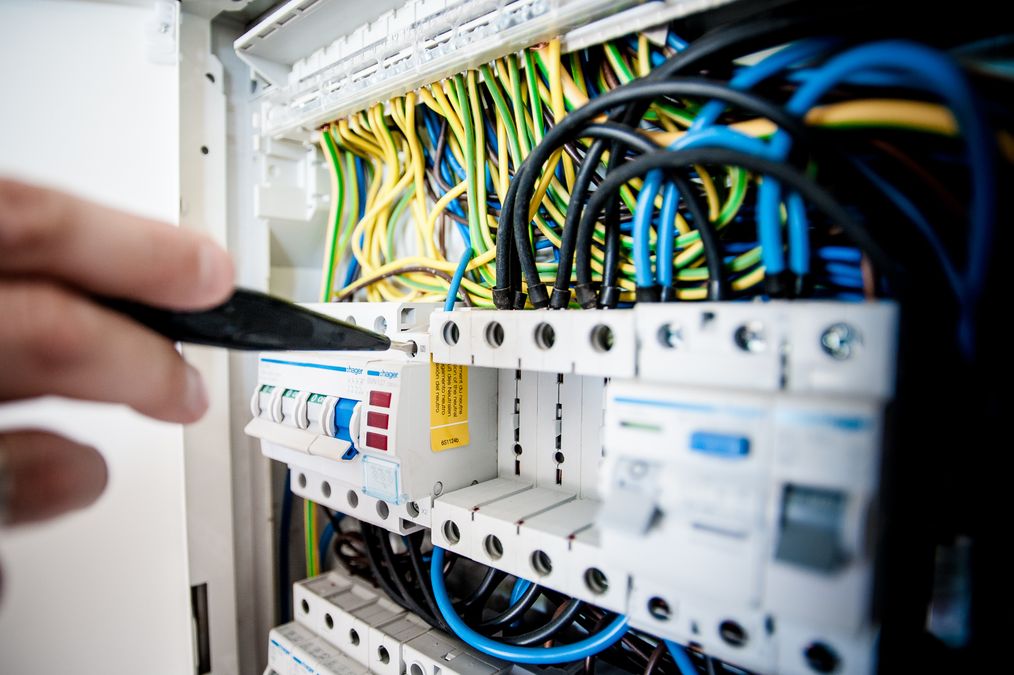
Earthing vs grounding: the short answer
In everyday trade talk across Kathmandu, earthing and grounding mean the same job: giving fault current a safe path into soil so a person touching metal does not become that path. Code language has drifted — earthing usually means safety connection to earth mass, while grounding can mean intentional system connection (for example bonding a transformer neutral) or a zero-voltage reference in electronics. If someone says the geyser is not earthed or the board is not grounded, they almost always mean the same missing copper rod.
The distinction matters to a specifying engineer, never as an excuse to skip work. Either way: continuous low-resistance path from exposed metal to electrodes in damp soil, verified with an earth tester — not a visual guess. SDR installs and tests across the valley.
- Earthing: safety path from metal body to soil via electrode
- Grounding: broader term — system neutral bonding, references, electronics
- In Nepali homes both usually mean: install and test the earth rod
- Target resistance: under 5 ohms at the building electrode
Why Nepal says earthing more than grounding
Nepal follows British-influenced practice where earthing is the standard word for safety earth. NEA arrangements and most licensed electricians say earthing for the rod-and-conductor system that protects a house. American-influenced literature says grounding for much of the same territory — which is why imported manuals and online guides sound like different jobs when they are describing yours.
Generator and solar manuals also mix terms: ground the frame while your electrician says earth the tank — follow equipment requirements AND the building electrode as one system, not competing earths. Isolated pits bonded incorrectly can move fault current dangerously. When documentation and practice disagree, measure the whole system under our safety inspections.
- NEA / local practice: earthing = safety earth electrode
- US manuals: grounding ≈ earthing for equipment frames
- Generator, solar and house earth must form one coherent system
- When in doubt, measure — do not argue from terminology
How a home earthing system actually works
The system has three partners: an earth electrode (rod, plate or strip in damp soil), continuous copper from electrode to the main board earth bar, and bonding to every exposed metal — pipes, geyser bodies, fridge casings, metal switch boxes, generator frames. When a live conductor touches metal, fault current floods the low-resistance path fast enough to operate the breaker or RCCB before a person’s hand completes a worse circuit.
Without earthing, that fault leaves metal live at mains potential. Touch it on a wet bathroom floor and current travels through you to whatever conducts next. RCCBs sense leakage and add a second layer, but an RCCB with no electrode is a single defence pretending to be two.
- Electrode in permanently damp soil, below frost-free depth irrelevant in most Terai/hill valleys
- Continuous copper from rod to board earth bar
- Bond all accessible metal that could become live
- MCB/RCCB downstream able to operate on a real earth fault
Electrode types and Kathmandu soil realities
Pipe rods (chemical or plain), plate electrodes and strips are common. Chemical pits with bentonite or salt backfill hold lower resistance through Kathmandu’s dry months better than a bare rod in fill dirt. Rock-heavy or filled plots may need a deeper pit, longer strip, second electrode or concrete-encased ring, decided by measurement rather than hope.
Monsoon helps temporarily: soaked soil drops resistance, so an August install can look fine and fail an April retest. Record the reading at install and retest seasonally. Older houses often have no electrode; retrofitting involves a rod pit, cable to the board and bonding of metalwork — disruptive but far cheaper than the accident it prevents.
- Pipe/chemical electrode: general residential choice
- Plate electrode: where depth or space is restricted
- Strip conductor: perimeter run in suitable soil
- Retest after dry season and after nearby excavation
Testing: what under 5 ohms means and how we verify
Earth resistance is measured with an earth tester that drives a probe signal into the soil — not a multimeter ohm function on a screw. Good practice targets the building electrode under 5 ohms, with lower values preferable for equipment-heavy sites; some manuals specify tighter figures. Note weather and method with the result.
Failing readings have fixes: drive and bond a second electrode, improve soil contact, repair a corroded clamp, or replace undersized conductors — old houses sometimes rely on a rusted water pipe that no longer reaches soil. Pair the test with RCCB trip-time checks: can the fault clear fast, and is there a path? Scope sits with our inspection work; urgent faults go through /services/emergency-repairs.
- Earth tester (fall-of-potential style), not a handheld DMM alone
- Target: under 5 ohms at the main electrode
- Record reading, date, soil condition and method
- Retest seasonally — dry months are the real test
Earthing installation and repair costs in Nepal (NPR)
Costs follow electrode type, pit depth, cable length back to the board and whether metalwork bonding is already in place. Chemical electrodes and rocky ground push prices up; simple rod installs in soft soil sit at the lower end. Always ask whether the quoted price includes the instrument test and a written reading — an untested earth job is an unverified one.
- Basic earth rod + pit + bonding: NPR 6,000–15,000
- Chemical electrode system: NPR 12,000–30,000
- Second electrode bonded for hard soil: NPR 4,000–10,000
- Full-house bonding + RCCB verification: NPR 5,000–15,000
- Emergency fault investigation (tingling metal): from NPR 1,500 visit
Book earthing testing with SDR
SDR installs, repairs and tests earthing systems across Kathmandu Valley — rod pits, chemical electrodes, board bonding and RCCB coordination — with the resistance reading written on your handover slip. Adding a geyser, inverter or generator? Test existing earth first; it is the cheapest half-hour on any job. Pair electrode work with a board check when the panel is old — scope at /services/panel-upgrades — and point additions follow /services/wiring-rewiring.
WhatsApp board or pit photos to 9801508528 for a free NPR range, or book a test at /#booking. Tinging metal or a board that trips with no cause should not wait for a weekday — emergency details at /services/emergency-repairs. We measure before we lecture.
- WhatsApp board/pit photos to 9801508528
- Book a resistance test at /#booking
- Tingling metal = urgent, not cosmetic
- Written ohm reading on every handover
Need a licensed electrician in Nepal?
Book a service online in under a minute, or message us on WhatsApp for a free estimate. Serving Kathmandu, Lalitpur and Bhaktapur.