Restaurant Kitchen Electrical Safety Nepal 2026
Restaurant kitchen electrical safety Nepal guide for owners. SDR checks appliance loads, greasy DBs and RCCB protection in Kathmandu. Call 9801508528 now.
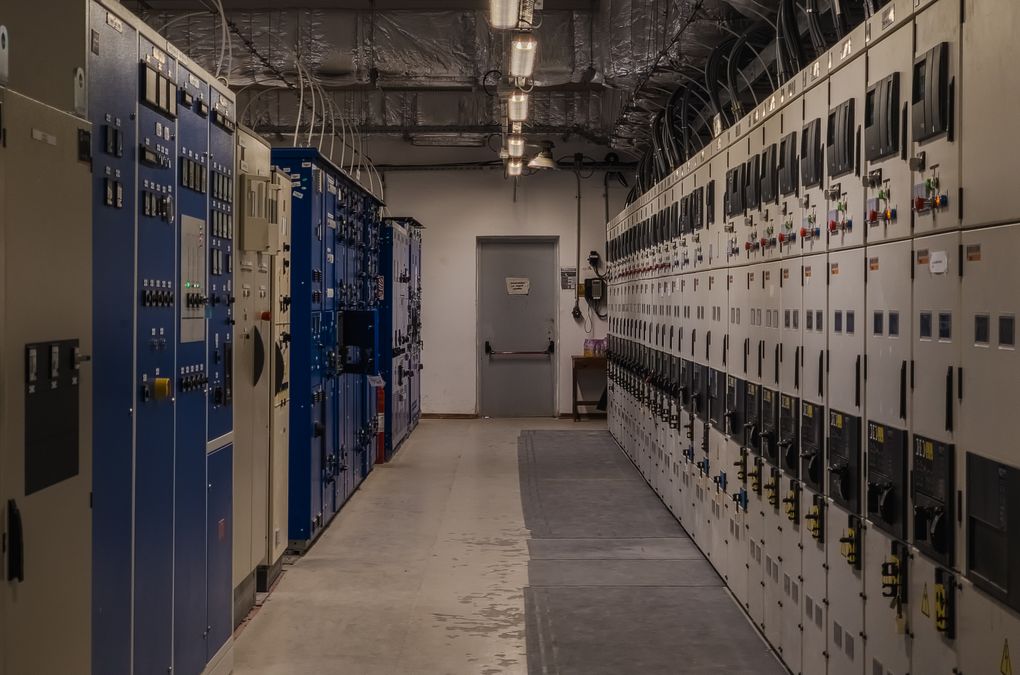
Restaurant kitchen electrical safety checklist for Nepal
Restaurant kitchen electrical safety Nepal owners can enforce weekly is what stands between a full dinner service and a distribution board fire. A typical eatery in Kathmandu packs fridges, freezers, ovens, exhaust fans, dishwashers, fryers and grinders into one hot, greasy room — often on circuits wired years ago for a small shop. When those loads share sockets, breakers trip mid-service, cables cook behind counters and a single spark finds grease. SDR Smart Design and Repair audits commercial kitchens across the Valley and gives your closing staff an eatery electrical checklist they can finish in ten minutes.
Kitchen point additions, exhaust and lighting circuits, and three-phase capacity for ovens all fall under /services/commercial-electrical, so the safety fixes and the expansion plan come from the same team instead of two contractors blaming each other later.
- Count the running watts of every appliance before you plug in
- Dedicated circuits for fridge, freezer, oven and exhaust
- 30mA RCCB on every socket circuit near water
- Grease-free distribution boards, wiped monthly
- Ten-minute closing checklist posted near the DB
Commercial kitchen wiring Kathmandu: load per appliance
You cannot protect a kitchen you have not measured. Running watts decide your cable size, your MCB ratings and whether your NEA sanctioned load is enough for the menu you actually cook. Compressor startup on commercial fridges and freezers can draw three to five times running current for a second, which is why a shared MCB trips the moment two units restart together after a voltage dip.
- Upright fridge: 150–250W running, 800–1,200W at compressor start
- Chest freezer: 200–400W running, higher surge on restart
- Electric oven or tandoor: 2,000–5,000W
- Fryer or griddle: 2,000–4,000W
- Dishwasher: 2,000–3,000W
- Exhaust hood and fan: 300–750W
- Mixer and grinder: 500–1,500W
- Water heater: 1,500–3,000W
- Kitchen lighting and signage: 300–800W
Greasy distribution boards: the quiet kitchen electrical fire risk
The most common kitchen electrical fire risk Nepal inspectors see is not exposed cable — it is a distribution board coated in fine grease and dust. Grease on breaker terminals acts like insulation that stops heat escaping, so joints warm up, lugs oxidise, and the board either nuisance-trips during service or melts a phase connection after close. Boards hidden above false ceilings beside the exhaust run are the worst offenders because nobody looks at them until the smell arrives.
Wipe the board exterior and visible conduit with a dry cloth on a cool-down schedule every month — never water, never a wet rag on a live panel. If the DB sits beside the tandoor, fryer or grill line, plan a relocation: moving a board to a cooler wall in Kathmandu typically costs around NPR 6,000 to 12,000 in labour plus cable, far less than a fire claim. A quarterly thermal scan shows hotspots before they become service-night failures.
- Dry-wipe DB covers monthly after the kitchen cools
- No grease-laden boards above the cooking line
- Keep one metre clear — no crates, menus or bottles near the DB
- Thermal scan quarterly for busy restaurants
- Report any burning-plastic smell by isolating the main switch
RCCB protection for sinks, dishwashers and wash areas
Overcurrent devices stop cable meltdowns; they do not reliably stop a person getting a shock from a wet floor and a faulty appliance body. That job belongs to a 30mA RCCB on the socket circuits serving sinks, dishwashers, ice machines and hand-wash areas. Kitchen staff should press the RCCB test button once a month and log it — if the device will not trip on the button, it will not trip on a fault either, and replacement becomes urgent.
30mA RCCB protection fits from around NPR 2,800 installed where the board has space, including a test and label. RCCB performance still depends on decent earthing and correct neutral isolation, so a device that nuisance-trips needs fault-finding, not a larger rating. The full wet-area audit lives at /services/safety-inspections. For the household equivalent your manager may also want at home, start with /blog/home-electrical-safety-checklist-nepal.
- Press-test the RCCB monthly and write the date on the DB door
- RCCB on fridge, dishwasher and wash-area socket circuits
- MCB handles overload, RCCB handles leakage — you need both
- New 30mA RCCB fitted from about NPR 2,800
- Earthing verified below 5 ohms for RCCB and appliance safety
Fridge and freezer circuits that survive Kathmandu voltage swings
Nothing hurts a restaurant faster than a freezer warming overnight. Fridge and freezer circuits need to be dedicated from the board to the outlet: correct cable size, their own MCB, firm outlet contacts and no shared strip with the mixer or POS printer. Label that breaker DO NOT SWITCH OFF so a well-meaning cleaner never kills the stock during a wipe-down, and keep coils and compressor gaps dust-free so units are not fighting heat as well as load.
Voltage swings and brief NEA supply dips are normal in many Kathmandu feeders, so a stabilizer sized for the unit is cheap insurance for compressors. When the menu grows and the existing board no longer has ways or capacity for another oven or two more freezers, that is a panel upgrade conversation — bigger incoming cable, re-spaced breakers and a fresh circuit schedule — not one more extension cord. Expansion scope sits at /services/panel-upgrades.
- One dedicated circuit per fridge or freezer group
- Own MCB correctly rated — never a shared kitchen strip
- DO NOT SWITCH OFF label on the refrigeration breaker
- Stabilizer where supply voltage swings are common
- Panel upgrade before adding major new appliances
Eatery electrical checklist Kathmandu closing staff can run
Post this list near the main switch. Closing staff do not need instruments — they need habits. Ten minutes at close catches nine of the faults that start after midnight when the room is empty and only the fridges are running.
- Switch off fryer, oven, tandoor and grinders at the wall
- Unplug mixers and blenders; do not leave them on strips
- Sniff the DB area for any burning-plastic smell
- Confirm fridge and freezer plugs sit firm, not warm
- Move cables off hot surfaces and out of walkways
- No taped joints or exposed copper anywhere in the line
- Exit sign lit and escape path unblocked
- RCCB test button pressed and dated this month
- DB door closed with one metre clear in front
- Log any trip from the day with the circuit name
NEA compliance and when a restaurant needs a panel upgrade
Kathmandu restaurants get discovered by regulators the same way they get discovered by customers — faster than expected. Keep the NEA sanctioned load aligned with what the kitchen actually draws, maintain earthing below 5 ohms, balance loads across phases on three-phase supplies, and keep the board labeled and accessible. A kitchen built out by a fit-out crew without a load plan is usually the one running a 63A breaker on undersized cable, which no honest inspection will pass.
If you are expanding seats, adding a second kitchen line or switching from gas appliances to electric, have the load checked before the NEA meter or your main panel becomes the bottleneck. A restaurant safety audit in the Valley runs roughly NPR 5,000 to 15,000, and three-phase or panel upgrades are quoted after survey — commonly NPR 25,000 to 60,000 depending on incoming supply and board work. We verify sanction, wiring and earthing as one job under our commercial electrical service so compliance and capacity land together.
- Sanctioned load matches real appliance load
- Three-phase where total kitchen load justifies it
- Earthing test below 5 ohms with a recorded reading
- Labeled DB, accessible, fire extinguisher in reach
- Audit report kept with the trade and building file
Book a kitchen safety audit with SDR
SDR Smart Design and Repair works on restaurant and eatery kitchens across Kathmandu, Lalitpur and Bhaktapur — from a single faulty socket beside the sink to a full three-phase kitchen fit-out. Reserve a slot at /#booking in under a minute, or call and WhatsApp 9801508528 with a photo of your board or a tripping breaker for a quick scope before dispatch. Pair the audit with a quick home-side review using our home electrical safety checklist if the owner wants the same standard at home, and keep this eatery checklist on the wall where closing staff will actually use it.
Need a licensed electrician in Nepal?
Book a service online in under a minute, or message us on WhatsApp for a free estimate. Serving Kathmandu, Lalitpur and Bhaktapur.