Solar Water Heater Electrical Wiring Nepal Guide
Solar water heater electrical wiring in Nepal: heating element circuits, controllers, frost protection and geyser-grade MCB/RCCB. SDR Kathmandu — 9801508528.
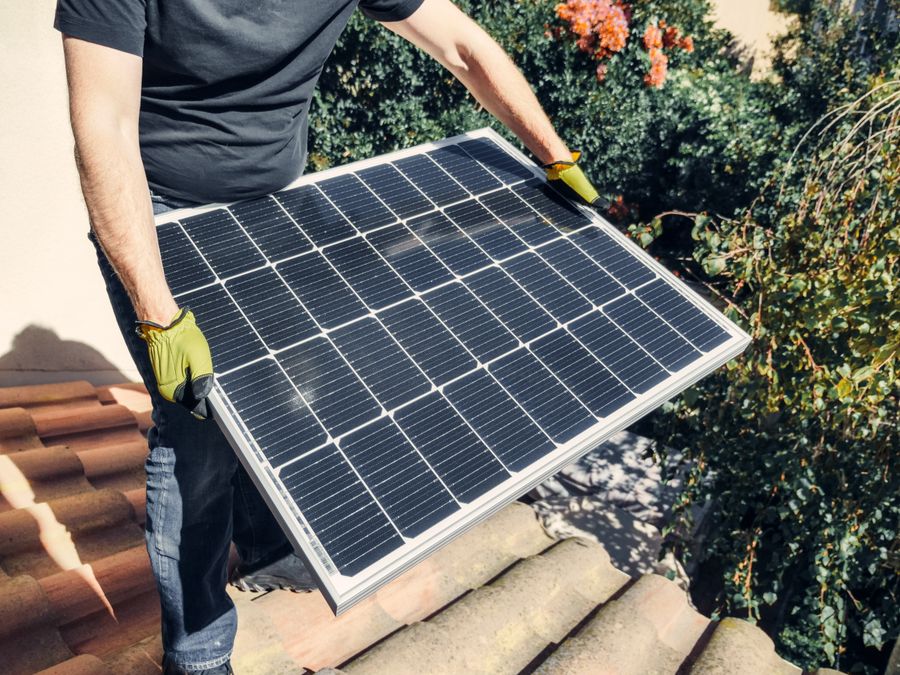
Why a solar water heater still needs an electrician
A solar water heater is not purely plumbing. Every unit sold for Kathmandu rooftops includes an electric backup element, a thermostat, often a pump or controller, and sensors that prevent overheating or winter freeze damage. Those parts run on mains power, so the heater needs a correctly rated circuit, protection devices and safe isolation — the same discipline SDR applies to any electric geyser installation.
Skimping on the electrical side is a recurring monsoon hazard: element terminals corrode, controllers short after roof leaks, and improvised extension-board feeds melt behind tanks nobody inspects. SDR Smart Design and Repair designs and installs solar water heater electrical wiring for homes in Kathmandu, Lalitpur and Bhaktapur. Call 9801508528 before your installer mounts the tank so cable routes, MCB rating and RCCB coverage are sorted in one visit.
- Dedicated circuit for the heating element
- Thermostat and high-limit cut-out wired correctly
- Controller / pump power for active systems
- Weatherproof external connections
- Clear isolation point for safe maintenance
Electric element, thermostat and control wiring
The backup element is usually a 1.5–3 kW immersion heater low in the tank. On 230V, a 2 kW element draws roughly 8.7 A — comfortable on 2.5 sq mm copper protected by a 16A or 20A MCB, the same family as ordinary electric geysers. A 3 kW element pushes toward 13 A, so confirm the nameplate before choosing cable and breaker.
Thermostat wiring is simple but safety-critical: the live conductor should pass through the thermostat so it can open at set temperature, with a separate high-limit cut-out as second defence. Sensor probes must sit in the correct tank or pipe pocket — a misplaced sensor makes the element fire when the tank is already hot. Every external terminal block needs proper sealing; open terminals above a water tank in Kathmandu humidity will fail.
- Element current = watts ÷ 230V — size cable and MCB to match
- Live switched through thermostat and high-limit cut-out
- Neutral and earth continuous to the tank bonding point
- Sensors on the correct tank/pipe pocket
- All outdoor terminals sealed against rain and damp
MCB, RCCB and earthing for solar heaters
Protection follows wet-appliance rules. The element circuit wants its own MCB sized to the load, and because the tank sits on a roof people can touch, a 30mA RCCB upstream is strongly recommended — the same standard we apply in /services/geyser-installation. If your board has no RCCB, or the heater shares a way with lighting, that is a board upgrade conversation before first heat.
Earthing bonds the metal tank, mounting frame and control enclosures to the main earth system. A rooftop tank with no earth path waits for an insulation failure to put voltage on the pipe you touch every morning. We verify continuity from tank to earth bar and test resistance when the electrode is doubtful, as part of /services/safety-inspections. Old rebar stubs often read high; when they do, a proper electrode upgrade protects the heater and everything else on the roof.
- Dedicated MCB sized to element nameplate current
- 30 mA RCCB covering the heater circuit
- Tank, frame and enclosures bonded to main earth
- Earth resistance checked when electrode condition is unknown
- No shared way with lighting or socket circuits
Pump, controller and pressurised system wiring
Active solar water heaters add a controller powered from a normal socket or small dedicated outlet, plus low-voltage sensor cables back to the tank and collector. The pump is small (often 20–60W) but still needs a clean supply; plugging it into a corroded external socket that also feeds holiday lights is how pumps die mid-winter.
Pressurised tanks with built-in booster units behave like ordinary geysers on the mains side and deserve the same cable gauge and protection. For homes combining solar heat with inverter backup, decide deliberately whether the element stays on backup (generally no — too heavy) or sits only on grid power. SDR marks essential and non-essential loads clearly so an outage does not try to start a 2 kW element on a 1kVA inverter.
- Controller outlet weatherproof and unshared
- Sensor cables away from power cables where possible
- Pump fused at the controller or local isolator
- Heavy element usually excluded from small inverter loads
- Label tank isolator for family and future electricians
Cost and maintenance of the electrical side (NPR)
Electrical-only work for a solar water heater in Kathmandu typically lands NPR 2,500–7,500 when the outlet and route already exist — termination, sealing and testing. Adding a dedicated circuit with 2.5 sq mm cable, a new MCB way and RCCB coverage commonly brings the job to NPR 6,000–15,000 depending on distance from the board. Element replacement alone runs roughly NPR 2,000–5,000 including thermostat.
Maintenance is cheap if scheduled: once a year, isolate power, check element terminals for corrosion, confirm the thermostat cuts out, inspect seals after monsoon, and glance at the earth bond. Two minutes of routine prevents most emergency calls when a tank finally leaks into a shorted terminal box. Bundle the check with /blog/home-electrical-safety-checklist-nepal, or book SDR through /#booking.
- Termination and testing of existing circuit: NPR 2,500–7,500
- New dedicated circuit + board work: NPR 6,000–15,000
- Element + thermostat replacement: about NPR 2,000–5,000
- Annual post-monsoon terminal inspection recommended
Book solar water heater wiring with SDR
SDR Smart Design and Repair handles the electrical half of solar water heaters across Kathmandu Valley — new circuits, element and thermostat replacement, controller outlets, RCCB upgrades and earthing checks. We coordinate with your plumbing or solar supplier so one visit covers power, protection and testing.
WhatsApp a photo of the tank area and your distribution board to 9801508528 for a free NPR range, or reserve a slot at /#booking. If the board is already full, start with /services/panel-upgrades so the heater lands on a labelled, protected way from day one.
- Free WhatsApp assessment on 9801508528
- Element, thermostat, controller and circuit work
- Itemised NPR before chargeable work begins
- Book at /#booking — Kathmandu, Lalitpur, Bhaktapur
Need a licensed electrician in Nepal?
Book a service online in under a minute, or message us on WhatsApp for a free estimate. Serving Kathmandu, Lalitpur and Bhaktapur.