Electric Shock From Appliance: What to Do in Nepal
Got an electric shock from an appliance in Nepal? Immediate first aid steps, then the wiring fixes Kathmandu homes need. Emergency help: SDR 9801508528.
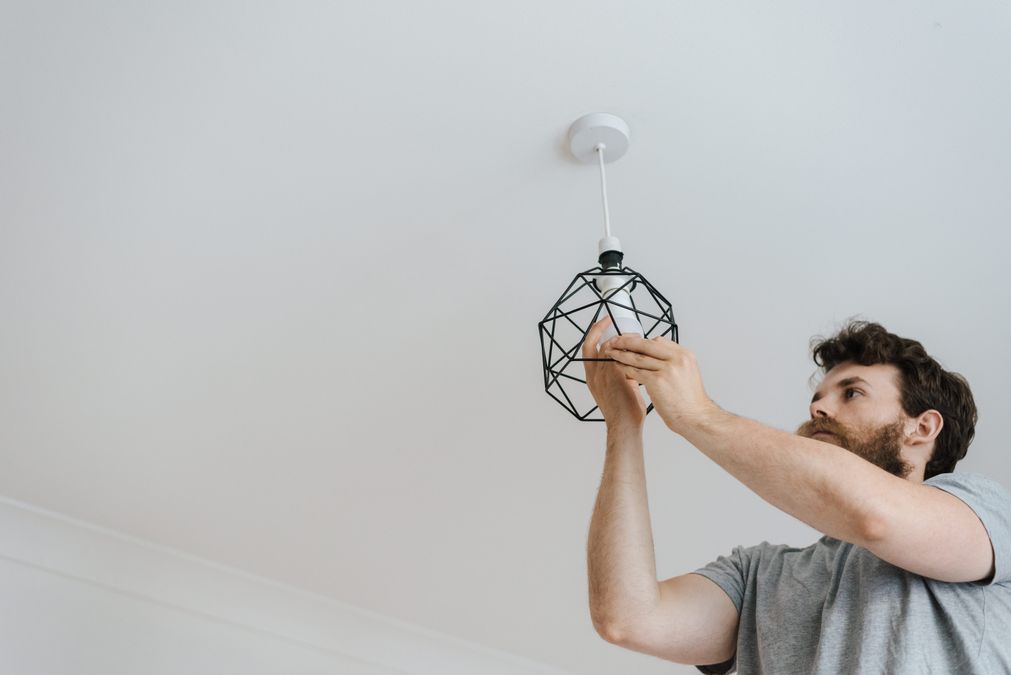
First response: what to do in the first minutes
If you receive an electric shock from an appliance in Nepal, the first moments matter more than anything you read afterwards. Do not touch the victim while they are still in contact with the source — switch off the supply at the distribution board or unplug from a safe, dry position using a wooden or rubber object if you cannot reach the switch. Once the power is off, move the person away from the source if it is safe for you to do so, then check breathing and responsiveness.
Even a brief, apparently minor shock requires medical attention: electric current can disrupt heart rhythm hours later, and entry/exit burns may be deeper than they look. Call emergency medical help or go to the nearest hospital, and tell them it was an electrical injury with the voltage if you know it (household supply is 230V in Nepal — not a trivial level). While help is arranged, do not re-energise the appliance or circuit under any circumstances. Only after an electrician proves the cause should power be restored.
- Switch off at the DB first — never grab the person while live
- Unplug only if the switch is out of reach and you can do it safely
- Check breathing; start first aid/CPR if trained and needed
- Seek medical review even after mild shocks
- Leave the circuit OFF until an electrician clears it
Why an appliance shocked you: the four usual causes
An appliance shell becoming live almost always traces to one of four failures. First, missing or broken earth: the metal body has no path to ground, so an internal fault energises the casing and your body becomes the path when you touch it and the floor. Second, insulation failure inside the appliance — a element touching the tank, a frayed lead, water ingress in a washing machine or geyser. Third, reversed polarity or a faulty socket where the shell path back to neutral completes through you. Fourth, a shared neutral or back-feed somewhere in old wiring that lifts the whole circuit potential.
In Kathmandu, earth-related shocks are the most common we attend: many older buildings have absent, disconnected or high-resistance earth rods, and RCCB protection was never fitted. The diagnostic order is simple — verify earth continuity at the board, test the socket with a meter, then test the appliance itself. That sequence tells you within one visit whether you are paying for an earth electrode, an RCCB, a socket repair or an appliance call-out.
- Missing/high-resistance earth — most common in older homes
- Internal appliance fault (element, lead, water ingress)
- Faulty or mis-wired socket / reversed polarity
- No RCCB means nothing cuts power during leakage
Immediate safety checks before an electrician arrives
While the circuit is still off, do a few safe checks from the outside — do not open appliances or boards yourself. Note which outlet the appliance used and whether anything else on that circuit tripped. Look at the plug and flex for cracks, burn marks or exposed conductors. If a dedicated MCB or RCCB tripped when the shock happened, note which way it fell; that clue speeds diagnosis enormously.
Photograph anything suspicious from a safe distance: scorch marks, a cracked socket face, water stains under a sink where an appliance lead runs. Do not test by touching the shell with a wet hand or a piece of wire — ever. If the appliance is visibly damaged or smells hot, leave it unplugged even after power is restored elsewhere. Send the photos to SDR on WhatsApp before we arrive so we arrive with the right parts.
- Keep the affected circuit OFF
- Inspect plug and flex externally — no disassembly
- Note which breaker tripped and in which direction
- Photo scorch marks, cracks, water stains from a distance
- Send photos ahead to 9801508528
Electrical fixes for shock hazards in Kathmandu homes
The repair depends on the cause found, and SDR itemises it before any chargeable work: earth electrode repair or replacement (roughly Rs 5,000–12,000 depending on soil and access), adding 30mA RCCB protection to socket circuits (about Rs 3,500–7,500 supply and fit), replacing a faulty socket or switch (Rs 900–2,000 including testing), and appliance-side repairs coordinated with the brand service where the fault is internal to the unit.
If the shock came from a water-related appliance — geyser, washing machine, dishwasher — treat moisture ingress as the prime suspect and check flexible hoses and drain paths at the same visit; we have attended calls where the real fault was a leaking inlet slowly wetting the terminals. Full safety scope, including earth resistance measurement and RCCB verification, sits under /services/safety-inspections and can be done as a whole-house sweep after the urgent repair.
- Earth electrode repair/replacement: Rs 5,000–12,000
- Add 30mA RCCB way: Rs 3,500–7,500
- Faulty socket/switch replaced and tested: Rs 900–2,000
- Moisture ingress: check hoses, drains and terminals together
- Whole-house verification: /services/safety-inspections
Prevention: making sure it does not happen again
Prevention stacks three layers: continuous earth, RCCB protection, and healthy appliances. Verify earth continuity and resistance at the board — if your building has no electrode or a corroded one, that is the first spend. Fit a 30mA RCCB on every socket circuit; it detects leakage through a person and cuts supply in milliseconds, something an MCB will never do for this fault type. Then maintain appliances: inspect cords yearly, replace cracked plugs immediately, and never use an appliance that tripped the RCCB once without having it checked.
Test your RCCB monthly with its button. If it will not trip, replace the device — a silent failure of your main personal-protection layer. Avoid daisy-chained power strips, keep water away from outlets, and book a safety inspection every few years or after any renovation. SDR Smart Design and Repair covers Kathmandu, Lalitpur and Bhaktapur with itemised NPR quotes; if you have already had one shock, do not wait for a second — call 9801508528 or book at /#booking today.
- Earth continuity + resistance verified at the board
- 30mA RCCB on all socket circuits, tested monthly
- Yearly cord/plug inspection; replace damaged leads
- Any RCCB trip without an identified cause = inspection
- Book: /#booking or 9801508528
Need a licensed electrician in Nepal?
Book a service online in under a minute, or message us on WhatsApp for a free estimate. Serving Kathmandu, Lalitpur and Bhaktapur.